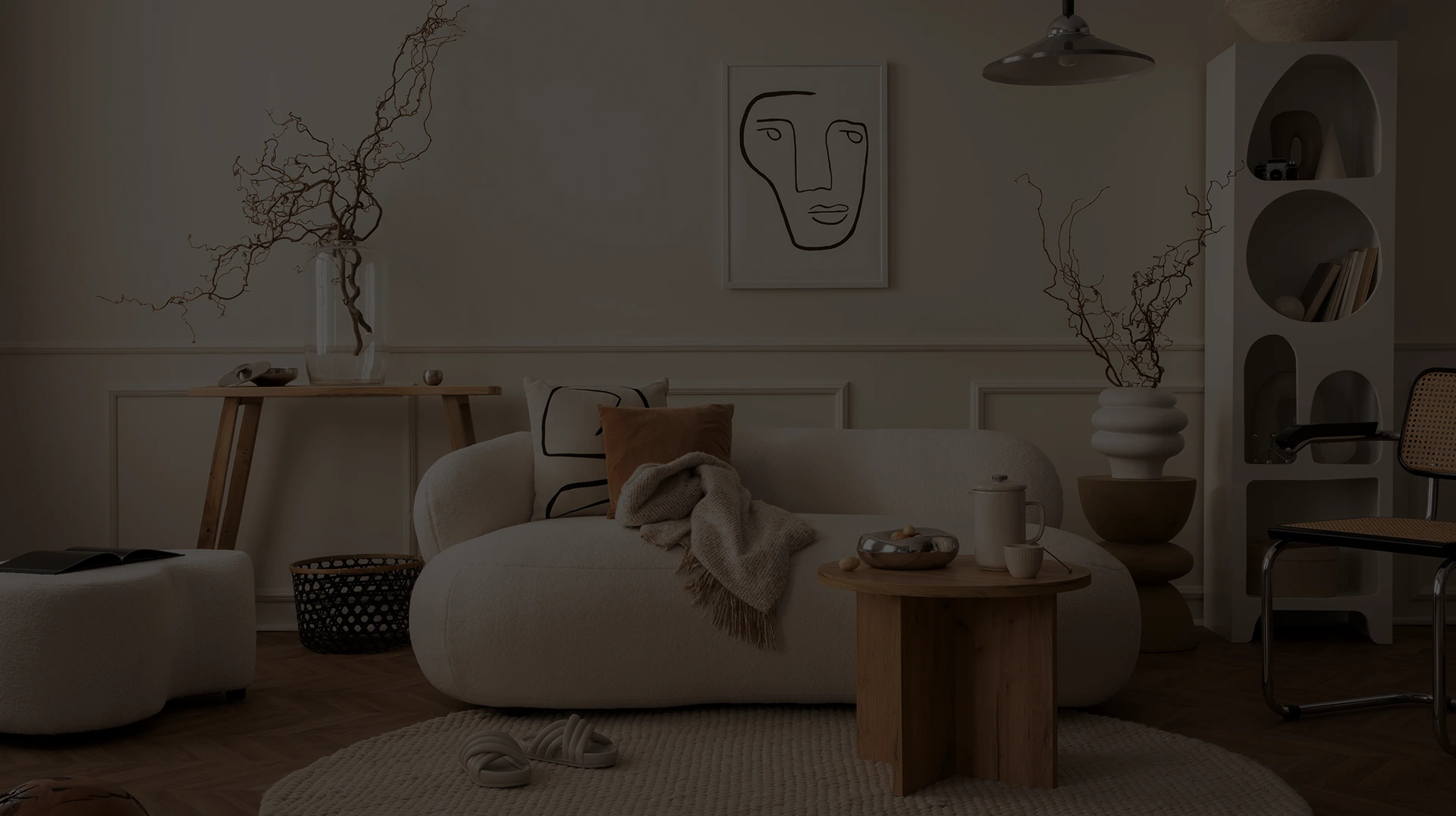
Contemporary art influence on residential design standards
Curated creative currents redefine home interiors through bold geometric forms and distinctive chromatic daring.
Statement pieces shift from rigid realism towards expressive emotional resonance. Contemporary paintings utilize texture to enhance living spaces. Interior stylists favor mixed media to create focal points. This aesthetic forces residents to engage visually. Acrylic layers mirror urban complexity. Decorators prioritize canvases that demonstrate vibrant color theory while abandoning strictly figurative narratives. The decor market values raw authenticity over academic polish.
Spatial and Decor Harmony
Integrating sculptural decor into residential architecture
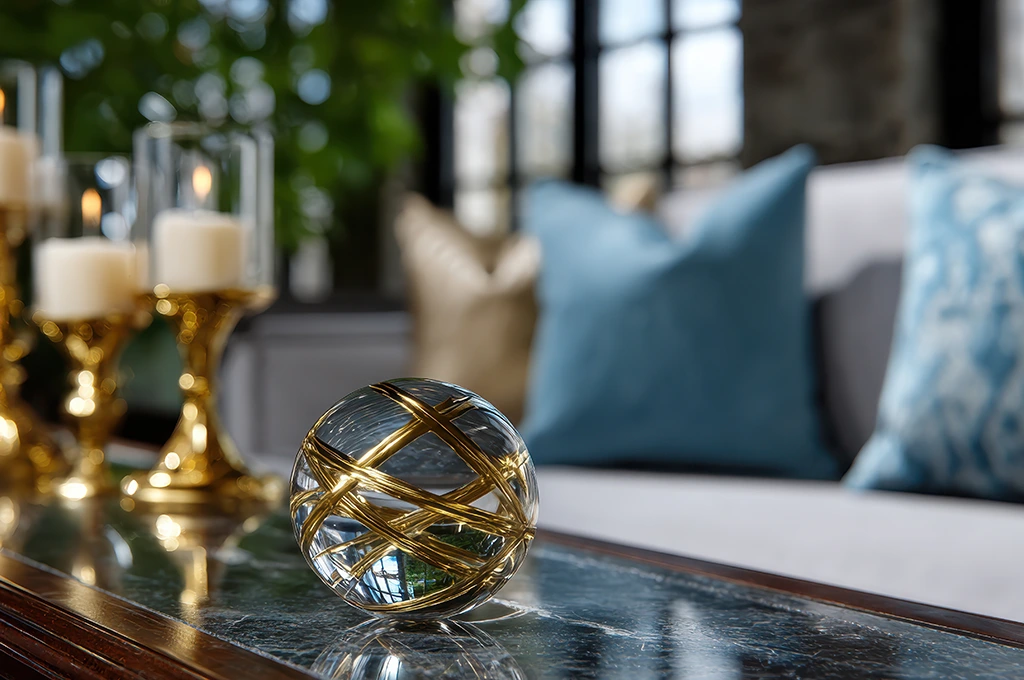
Sculptural decor transforms static rooms into dynamic havens. Placing kinetic art near natural light creates evolving shadow plays. Patinated bronze and steel statues introduce contrast to soft luxury upholstery. Architects collaborate with artisans to design specific display alcoves. This fusion ensures art acts as a structural component. Large-scale indoor installations dictate spatial flow. Material choices reflect a balance between industrial strength and organic fluidity.

Minimalist monochrome palettes
Monochromatic tones amplify spatial dimensions and reduce visual noise effectively.

Biophilic home design integration
Natural materials connect living spaces directly with organic exterior environments.

Sustainable decor material usage
Recycled compounds offer durability while reducing the carbon footprint of production.
Creative Interdisciplinary Fusion
Fashion trends influence home expression
Runways shape the aesthetic of modern interiors, influencing upholstery and textile patterns. Bold prints transition from haute couture to home decor, inspiring wallpaper and rug designs. Interior designers collaborate with fashion houses to produce exclusive homeware. Seasonal pantone palettes inform living room choices, while innovative fabrics spark new tactile experiences. The fusion of disciplines encourages styling experimentation, fostering creative synergy across couture and interior communities.
Principles of ergonomic interior style
Functional beauty requires strict adherence to proportion and lifestyle utility. Designers prioritize comfort without sacrificing the sharp lines of modernism. Every element serves a distinct purpose within the layout.

Industrial loft edge
Exposed beams showcase loft style. Black metal accents and raw finishes highlight architectural authenticity.

Warm hygge scandinavian
Natural woods and linen textures create inviting spaces. Minimalist lines combine elegance with Nordic comfort throughout interiors.

Boho eclectic vibes
Eclectic macramé and layered textiles celebrate creativity. Rattan furniture and vibrant colors foster relaxed, artistic atmospheres.
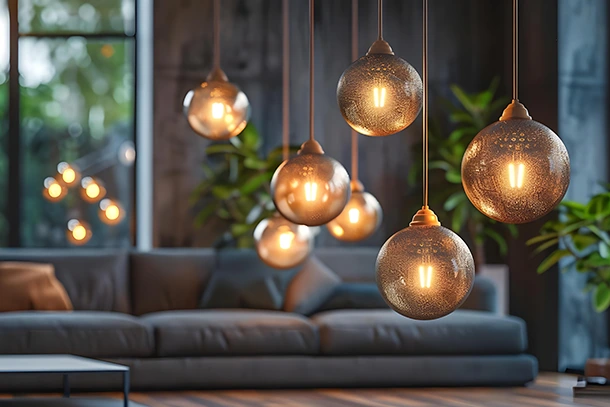
Creative fixtures shape ambiance. Dramatic shadows emphasize forms. Soft glows highlight interior features.
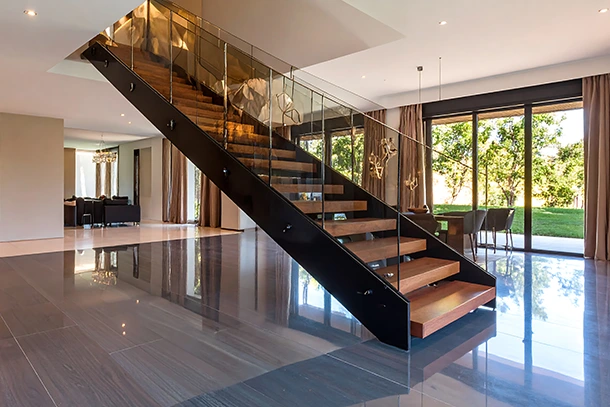
Floating treads draw focus. Metal contrasts with wood. Innovative shapes guide upstairs movement.
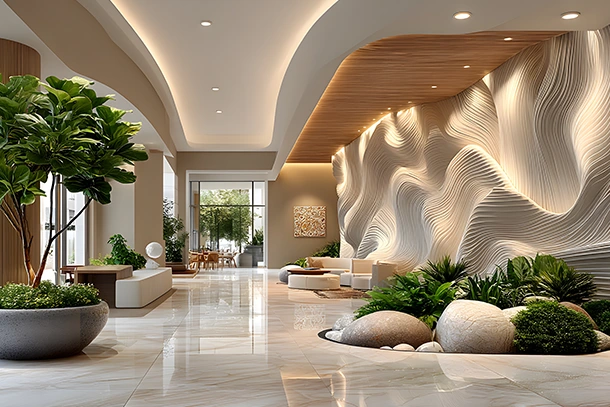
Layered surfaces invite exploration. Rough stone meets smooth plaster. Tactile contrasts create visual intrigue.
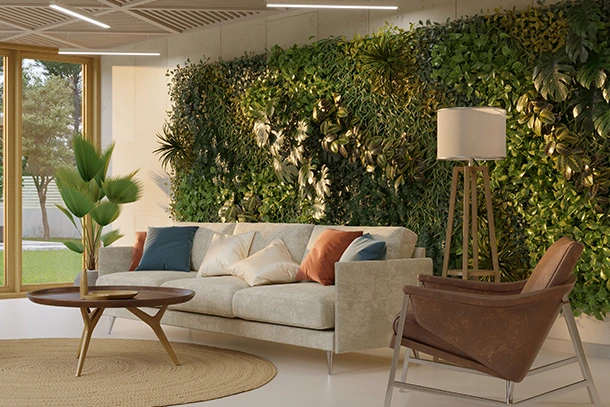
Vertical gardens refresh spaces. Lush foliage adds depth. Natural elements improve both mood and air quality.
Global design perspectives
Artisan heritage in contemporary settings
Traditional craftsmanship finds relevance paired with stark modernism. Artisans weave folk narratives into kilim rugs using ancient techniques. This juxtaposition creates a dialogue between heirloom and contemporary. Global travel influences the eclectic curation of curios. Preserving indigenous methods ensures unique artistic languages. Cultural authenticity drives selecting handcrafted objects. Modern design demands a story. The blend of vintage eras produces a timeless aesthetic quality.
Immersive home digital experiences
Augmented and virtual realities transform how owners engage with art. Interactive installations merge technology with creativity, offering fully immersive experiences. Digital canvases respond dynamically to resident interactions, expanding artistic boundaries.
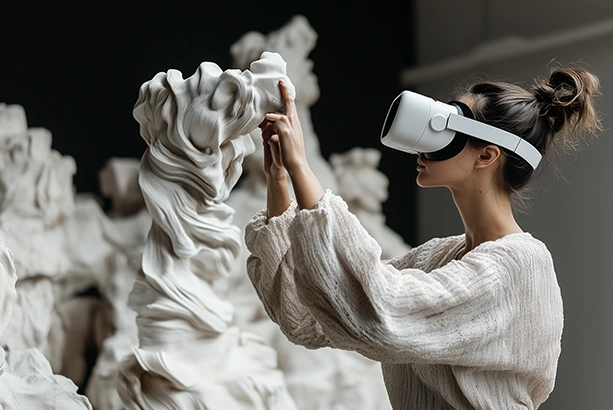
AR decor layers
Augmented reality overlays digital elements onto physical spaces, creating multi-dimensional previews. Careful planning of scale, color, and spatial context ensures seamless integration and impactful visual storytelling.
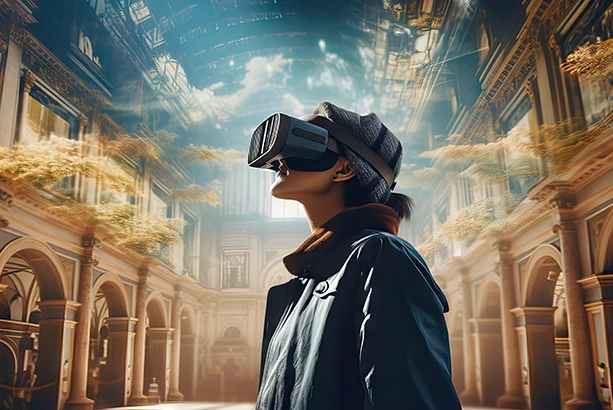
VR showroom worlds
Virtual reality environments protect creative content while enabling full sensory engagement. Curated digital spaces extend the longevity of art experiences, guiding clients through interactive narrative journeys.
Urban living expression
Dynamics of residential street art
Street art transforms districts through spontaneous creativity. Murals and graffiti tags define visual zones within residential environments. The placement of urban artworks influences neighborhood flow. Strategic empty walls invite bold contributions. Artists consider sightlines to balance impact with livability. Pathways remain unobstructed to maintain community engagement. Every surface contributes to the evolving creative narrative of the modern metropolis.