Art & Decoration
Transforming a living space into a curated environment requires more than a keen eye for color; it demands a strategic approach to collecting, a technical understanding of architecture, and a commitment to preservation. Whether you are beginning to acquire your first significant pieces or looking to refine a growing assembly of works, the intersection of art and decoration is where personal taste meets professional rigor.
This comprehensive resource navigates the complexities of managing an art-centric home. From understanding the investment mechanics of the art market to the structural engineering required to display heavy sculpture, we explore the essential principles that distinguish a decorated room from a true collection. The goal is not merely to fill space, but to create a dialogue between the architecture, the lighting, and the objects that inhabit the room.
Building a Collection with Lasting Value
The transition from buying decoration to collecting art is defined by strategy. While aesthetic pleasure is paramount, understanding the factors that drive appreciation is essential for long-term value retention. A well-curated collection is an asset class that requires due diligence, particularly regarding provenance and market timing.
Investment Potential and ROI
For beginners, the choice between original works and limited edition prints often dictates the initial return on investment (ROI). While prints offer an accessible entry point, originals generally hold better long-term appreciation potential, provided they are acquired from artists with a trajectory toward blue-chip status. Identifying these artists requires looking beyond trends, which can often devalue a collection within a few years, and focusing on graduate shows and critical reception.
Documentation and Insurance
As a collection grows, so does the complexity of protecting it. Standard home insurance policies rarely cover the full value of appreciating art. Specialized coverage is necessary, and this hinges entirely on provenance—the documented history of ownership. Without ironclad provenance, resale value can plummet, and insurance premiums may be unnecessarily high.
Architectural Integration: Designing Homes for Art
Ideally, the home should be designed around the art, rather than the art being an afterthought. Collaborating with architects and interior designers early in the process ensures that the physical structure can support and enhance the collection. This often involves technical decisions that go far beyond paint colors.
Structural Requirements for Sculpture
Displaying heavy sculptural works, particularly bronze or stone, requires foresight. Standard drywall studs are often insufficient for wall-mounted pieces exceeding 50kg. Reinforcing walls with plywood blocking or specialized mounting systems is critical to prevent structural failure. Similarly, creating built-in niches and alcoves offers a seamless look that standalone plinths cannot achieve, provided they are dimensioned for versatility to accommodate future acquisitions.
The Battle Against UV Damage
Modern architecture favors expansive glass and natural light, which poses a significant threat to conservation. Ultraviolet (UV) radiation is the silent destroyer of pigments and textiles. Balancing the aesthetic desire for windows with the necessity of art preservation involves using UV-filtering glazing and strategic placement, ensuring that direct sunlight never strikes sensitive surfaces.
The Science of Lighting Art
Lighting is arguably the most critical variable in how art is perceived. A common mistake is the misuse of recessed lighting, which can cast unflattering shadows on sculptures or create glare on oil paintings. Professional lighting design moves beyond simple illumination to create atmosphere and focus.
- Statement Fixtures: Large chandeliers and statement pieces can serve as art objects in their own right, especially in minimalist homes. However, scale is crucial; an undersized fixture can ruin room proportions, while the wrong bulb temperature can make expensive fittings look cheap.
- Technical Control: Smart dimmers are essential for managing the intensity of light on delicate surfaces.
- Maintenance: Even the most impressive crystal chandelier loses its impact if not maintained. Cleaning intricate fixtures without disassembling them is a skill that preserves both the object and the electrical connections.
The Art of Curation: Displaying with Intent
Possessing beautiful objects is only half the battle; displaying them effectively is what creates a cohesive interior. The « MuseumMethod » suggests that hiding 50% of a collection at any given time allows the remaining pieces to breathe, preventing visual chaos.
Grouping and Scale
When curating a cabinet of curiosities or a shelving display, the line between intentional maximalism and clutter is thin. Strategies such as grouping by color rather than theme can calm visual noise. Furthermore, understanding the « PowerofOne »—displaying a single object in isolation—can often make a stronger statement than a crowded shelf. Mixing textures, such as organic sea shells with sharp crystal, adds depth without cheapening the aesthetic, provided the scale is respected.
Wabi-Sabi and the Beauty of Imperfection
There is a growing appreciation for handcrafted objects that embrace wabi-sabi flaws. Collectors are increasingly willing to pay a premium for unrestored surfaces that show the passage of time. This extends to repair techniques like Kintsugi, where gold repair on ceramics highlights the history of the object rather than hiding it, turning a break into a focal point.
Conservation and Material Care
Preserving the integrity of materials is the custodian’s responsibility. Different materials require vastly different approaches, and well-intentioned cleaning is often the cause of irreversible damage.
Bronze and Metalwork
The value of antique bronze is heavily tied to its original patina. A common polishing mistake can devalue a piece by 50% by stripping away this historical surface. Owners must learn to distinguish between natural age and chemical patina, and knowing how to dust without scratching the wax layer is vital. Furthermore, recognizing signs of « BronzeDisease »—a corrosive chloride reaction—is the trigger point for calling a professional conservator immediately.
Ceramics and Terracotta
Porous materials like unsealed terracotta are highly susceptible to staining from oils and water. Proper care involves specialized cleaning methods that do not saturate the clay. Whether it is verifying that « handmade » goods are ethically produced or maintaining the finish of a vintage vase, the focus must always be on gentle, reversible interventions.
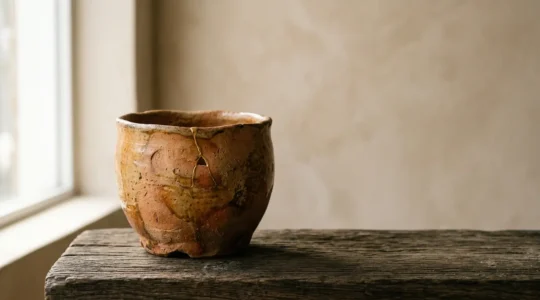
Why Do Handcrafted Objects with « Wabi-Sabi » Flaws Cost More?
Contrary to belief, the higher price of a ‘flawed’ handcrafted item isn’t for a mistake; it’s a premium for a verifiable story and a human connection that mass-production cannot fake. Imperfections are not defects but the « Signature of the Hand, »…
Lire la suite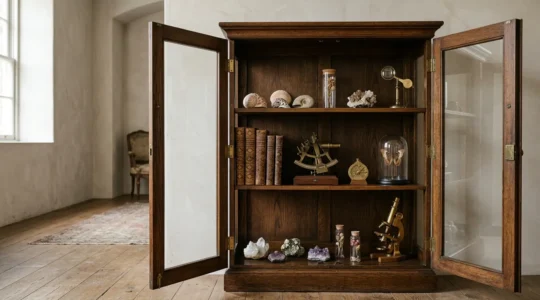
How to Curate a Cabinet of Curiosities That Looks Intentional, Not Cluttered?
The secret to a compelling cabinet of curiosities is to stop decorating and start curating, treating your collection with the narrative discipline of a museum. Group objects by story or theme, not just by color, to create a sophisticated visual…
Lire la suite
How to Use Statement Lighting to Replace Art in Minimalist Homes?
Replacing art with a statement fixture is not about the object itself, but about using the light it casts as a sculptural medium. The fixture’s true value lies in its ability to shape perception through controlled luminance, shadow, and color…
Lire la suite
How to Collaborate With Architects to Design Art-Centric Homes?
The success of an art-centric home is determined not by decorative choices but by structural and technical decisions mandated before a single wall is raised. Wall structures must be pre-engineered with plywood or steel reinforcement to support art exceeding 25kg;…
Lire la suite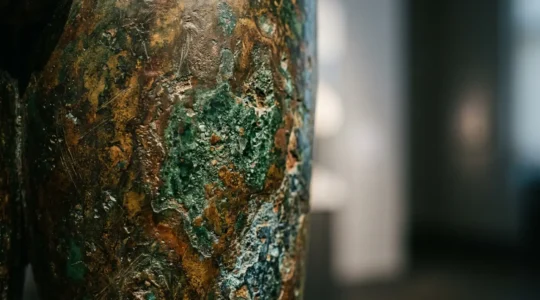
How to Maintain the Value of Patinated Bronze Without Destroying the Finish?
Contrary to popular belief, the goal of caring for antique bronze is not to make it shiny; it is to stabilize its surface as a historical document. Aggressive polishing or using household chemicals can strip away centuries of valued patina,…
Lire la suite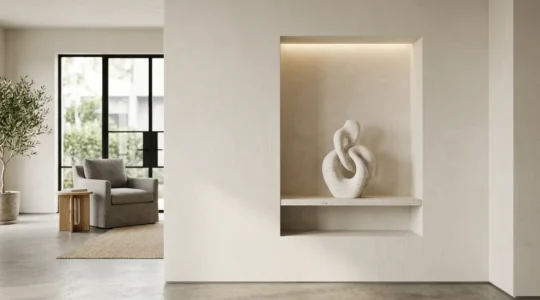
Architectural Integration: Designing Niches and Alcoves for Sculptural Decor
Successfully integrating sculpture into a home is a structural engineering challenge, not a decorative afterthought. Properly engineered niches and reinforced walls require planning from the blueprint stage to manage load paths and ensure long-term stability. Advanced lighting and the deliberate…
Lire la suite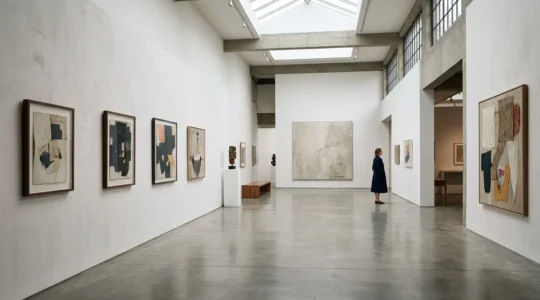
The Art of the Asset: How to Build a Collection That Appreciates in Value Over 10 Years?
Building a valuable art collection is less about luck and more about a disciplined, infrastructure-focused investment strategy. Success hinges on identifying pre-market indicators of an artist’s career trajectory, not just chasing current aesthetic trends. The financial upside is locked in…
Lire la suite