Fashion & Artistic Influence
Interior design has long ceased to be merely about functionality; it is a direct extension of personal style, much like the clothes we wear. The intersection of fashion and artistic influence in the home allows for spaces that are not only visually stunning but also deeply resonant with history, craftsmanship, and value. Whether you are preparing a property for the market or curating a lifelong collection of decor, understanding the foundational principles of styling is essential.
Navigating the world of high-end decor—from deciphering textile durability to choosing art that appreciates in value—can be intimidating. This resource aims to demystify these concepts, offering you the technical knowledge and artistic perspective needed to transform a house into a curated home that stands the test of time.
The Art of Home Staging: Styling for Value vs. Living
There is a fundamental difference between designing a home for daily life and staging it for a sale. While living requires comfort and personalization, staging relies on psychology and aspiration. Understanding this distinction is often the key to maximizing property value.
To stage like a pro stylist, one must master the art of depersonalization without creating a sterile environment. This involves strategic edits that allow potential buyers to envision their own lives in the space.
- The Rule of Three: This artistic principle suggests that objects arranged in odd numbers are more appealing, memorable, and effective than even-numbered pairings. It creates visual movement on coffee tables and shelves.
- The « Stagingvs.Living » Mindset: You must accept that a staged home is a product. This often means removing personal clutter—a mistake that can cost sellers significantly in offers—and adopting a neutral, fluid layout.
- Timeline Management: Starting the staging process early avoids pre-listing panic, allowing you time to curate distinct « luxurylooks » using accessible items, such as supermarket flowers arranged in sculptural vessels.
Mastering High-End Textiles: From Velvet to Performance Linen
Fabric selection is where fashion influence most visibly meets interior design. However, aesthetics should never completely override functionality. A beautiful sofa is only an investment if it survives the realities of pets, children, and daily wear.
Decoding Durability and Quality
One of the most common misconceptions in upholstery is the obsession with thread count, which is largely irrelevant for furniture durability. Instead, professionals rely on Martindale Rub Counts. Understanding this metric allows you to predict exactly how a fabric will perform under friction.
Similarly, the origin of the fiber matters. When choosing linen, distinguishing between French and Baltic varieties can reveal tangible differences in texture and longevity. European linen is often cited for its superior bedding longevity, keeping you cool in summer and warm in winter due to its hollow fibers.
Maintenance and Care
Preserving luxury textiles requires specific knowledge to avoid ruining investment pieces. Common pitfalls include:
- The « DryCleanOnly » Myth: blindly following labels can sometimes lead to chemical damage on certain sofa covers.
- Stain Guard Application: Applying protection without altering the « hand » (feel) of the fabric is a delicate balance crucial for maintaining that high-end touch.
- Washing Mistakes: Incorrect washing temperatures or detergents can turn soft linen brittle, destroying the very comfort you paid for.
Wall Treatments: Wallpaper and Paint Dynamics
Walls are the canvas of the home. The resurgence of wallpaper, driven by bold fashion prints, offers a way to inject personality into smaller spaces. Small powder rooms, for instance, handle « busy » prints better than large halls, creating a jewel-box effect that maximizes impact.
However, technical considerations are paramount. Installing wallpaper in high-humidity areas like shower rooms carries a peeling risk unless specific sealing techniques are used, particularly behind sinks. Furthermore, when dealing with large-scale patterns, understanding how to match repeats is vital to avoid wasting up to 50% of the roll—a costly error for DIY enthusiasts.
Rug Selection: Anchoring the Room
A rug is not just an accessory; it is the foundation of a room’s spatial definition. A common error is the « PostageStamp » effect, where a rug is too small for the space, instantly cheapening the look of even the most expensive furniture.
When selecting rugs, consider the interplay between design and function:
- Sizing: Ideally, all furniture legs should fit comfortably on the rug to anchor floating arrangements.
- Material Suitability: High pile rugs offer luxury but trap crumbs, making flat weaves a superior choice for dining rooms.
- Heritage Pieces: For high-traffic homes, flatweave Kilim rugs are incredibly durable. Learning to distinguish Anatolian from Persian origins by geometric motifs adds a layer of connoisseurship to your decor.
- Preservation: Using the correct rug pads can extend fiber life significantly and prevent slippage, while knowing how to fix a hole in a weave prevents total unraveling.
Investment Pieces and Collectible Design
True interior curation involves acquiring pieces that hold or increase their value. Just as in the fashion world, brand collaborations and limited editions in homeware can become future classics.
Distinguishing between fashion house home lines that offer genuine design value versus those that are merely generic luxury branding is a skill developed over time. In the second-hand market, the risk of counterfeits is real; knowing how to spot fakes is essential for protecting your investment. Generally, ceramics tend to hold resale value differently than textiles, which are more susceptible to degradation from UV damage if not displayed correctly.
Seasonal Adaptation and Lighting
A dynamic home evolves with the seasons without requiring a full renovation. Adapting interiors to seasonal Pantone palettes can be as simple as swapping accent colors to boost mood during winter months or adjusting lighting temperature to make summer colors pop.
Be wary of the « FastFashion » trap in home decor—cheap items that fade or fall apart in months. Instead, focus on versatile elements like linen curtains that can be draped for a « puddle » effect or ironed for crispness, and permanent base colors that do not clash with seasonal trends or wood floors.
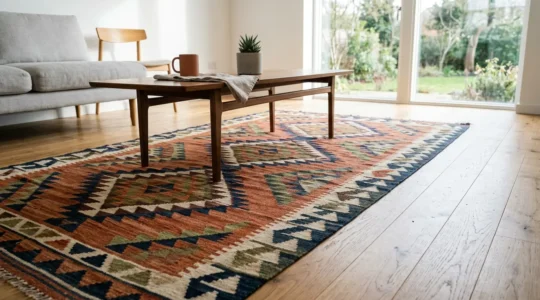
Why a Flatweave Kilim Is the Ultimate Rug for a High-Traffic Home
The ideal rug for a busy home with pets and children isn’t a thick, plush carpet, but a thin, ancient flatweave kilim. Its tight, no-pile construction means dirt and spills sit on the surface, making it exceptionally easy to clean….
Lire la suite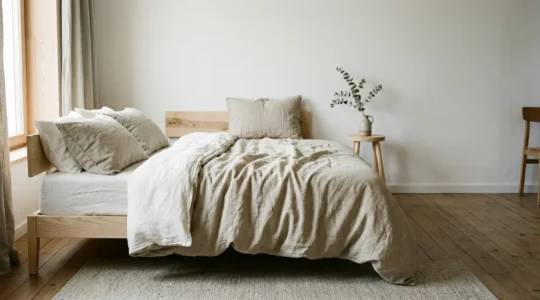
Why Is European Linen Worth the Investment for Bedding Longevity?
European linen is not a luxury expense but a long-term material investment that delivers a quantifiable return in durability, comfort, and sustainability. It outlasts cotton by 2-3 times, with a potential lifespan of over 20 years, fundamentally lowering its cost-per-use…
Lire la suite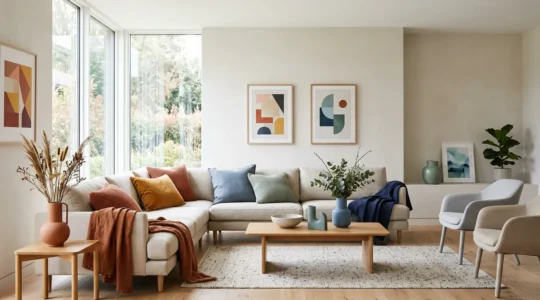
How to Adapt Interiors to Seasonal Pantone Palettes Without Repainting?
The secret to a seasonally fresh home isn’t repainting—it’s mastering atmospheric alchemy by strategically manipulating light, texture, and color to evoke new moods without permanent changes. Focus on non-permanent elements like textiles and lighting, which have a greater impact on…
Lire la suite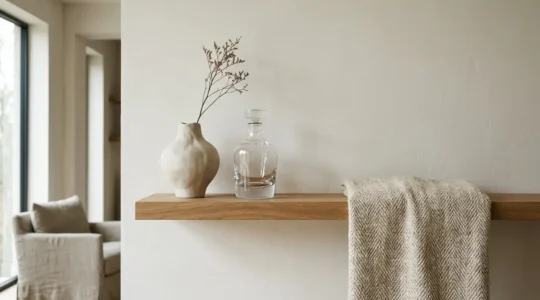
How to Invest in Limited Edition Homeware That Retains Value?
Successful homeware investment transcends aesthetics; it requires treating each acquisition as a strategic addition to a tangible asset portfolio. Value is driven by a combination of brand equity, verifiable scarcity, and cultural relevance, not just by designer name recognition. The…
Lire la suite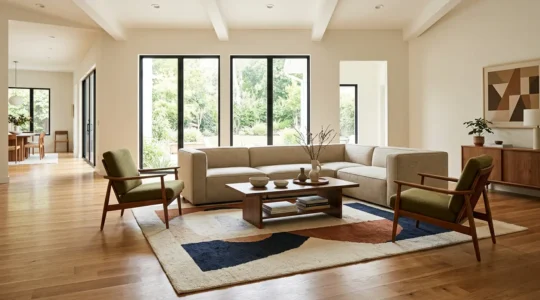
Which Rug Designs Best Anchor Floating Furniture Arrangements?
The secret to anchoring floating furniture isn’t just a rug’s size, but its ‘Visual Gravity’—the combination of color, texture, and pattern that locks an arrangement in place. A rug’s pile height and color density are as critical as its dimensions…
Lire la suite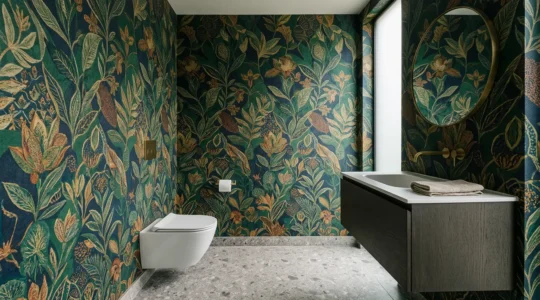
How to Apply Bold Wallpaper in Small Powder Rooms for Maximum Impact?
Using a bold, busy wallpaper is the single most effective way to make a small powder room feel expansive and luxurious, not cramped. The key is « Boundary Dissolution, » an optical effect where complex patterns obscure the room’s corners and edges,…
Lire la suite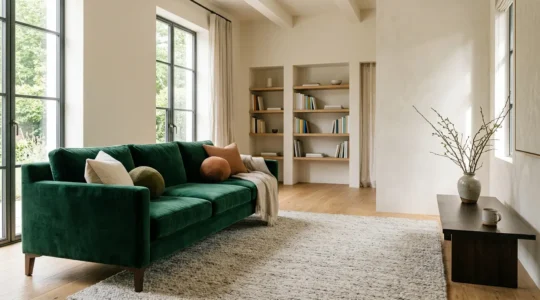
Which Luxury Upholstery Survives Pets and Kids Without Losing Style?
Contrary to popular belief, choosing a kid- and pet-proof luxury sofa has little to do with ‘miracle fabrics’ or high thread counts. True durability comes from understanding a fabric’s structural integrity, like its weave and weight, not its surface feel….
Lire la suite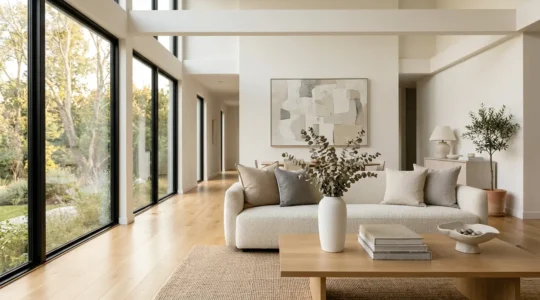
How to Stage Your Home Like a Pro Stylist for a Quick Sale?
The biggest mistake sellers make is decorating their home instead of marketing their property. Staging is not about personal taste; it’s a cold, calculated financial strategy to maximize your sale price. Strategic depersonalization is non-negotiable. You must erase your life…
Lire la suite