Blog
Embarking on a home transformation journey is one of the most exciting, yet potentially overwhelming projects a homeowner can undertake. Whether you are looking to optimize a small apartment, manage a full-scale renovation, or simply refresh your decor with the seasons, the principles of good design remain constant. It is not merely about aesthetics; it is about creating a space that functions seamlessly with your lifestyle, respects your budget, and supports your well-being. A truly successful interior design project balances structural realities with artistic vision, ensuring that every square foot serves a purpose.
Many homeowners fall into the trap of focusing solely on the visual outcome—paint colors and furniture styles—while overlooking the foundational elements that dictate how a home feels and operates. From understanding the psychology of spatial flow to navigating the complexities of hiring contractors and decorators, education is your most valuable asset. This comprehensive resource is designed to demystify the technical and creative aspects of interior design, empowering you to make informed decisions that add lasting value to your property.
Mastering Layout and Spatial Flow
The layout is the skeleton of your home; if the bones are not right, the decoration will never feel quite right. Optimizing interior flow is crucial, especially in urban environments where square footage is at a premium. Poor flow does not just make daily life frustrating; it can actively reduce property value by making a home feel smaller and darker than it actually is. Understanding how to manipulate space is the first step toward a functional home.
Open Plan vs. Broken Plan Living
For years, the open-plan concept was the gold standard, knocking down walls to create vast, communal areas. However, the trend is shifting. Families are increasingly debating Open Plan vs. Broken Plan layouts. While open plans offer light and sociability, they often lack privacy and acoustic control. Broken plan living retains the sense of openness but uses partial dividers, shelving, or changes in floor levels to create distinct zones. This approach is often better suited for families who need separate areas for work, play, and relaxation without total isolation.
Structural Integrity and Space Optimization
Before you swing a sledgehammer, it is imperative to understand the structural limitations of your property. Identifying non-load bearing walls is a critical skill for anyone considering a layout change. Removing the wrong wall can be catastrophic, while removing the right one can unlock incredible potential. Furthermore, simple furniture placement errors can waste up to 20% of your floor space. By aligning furniture with traffic paths rather than against them, and understanding the concept of negative space, you can make a compact room feel spacious and airy.
Budgeting and Project Management
Renovations are notorious for spiraling out of control, but this is rarely due to bad luck. It is usually the result of poor planning and undefined scope. Managing a renovation budget requires discipline and a clear understanding of where costs truly lie. It is not just about the price of materials; it is about labor, timelines, and the inevitable surprises that lurk behind drywall.
The Hidden Costs of Renovation
One of the most dangerous phrases in home improvement is the « WhileYou’reAtIt » trap. This phenomenon occurs when a homeowner decides to upgrade additional elements mid-project because the contractors are already on-site. While logical in theory, this leads to scope creep that blows renovation budgets. To stay under budget, particularly on significant spends like a $50k renovation, you must adhere strictly to the original plan unless a structural emergency dictates otherwise.
Writing a bulletproof Brief
Whether you are managing the project yourself or hiring a professional, the project brief is your roadmap. Learning how to write a decorator brief is essential to prevent expensive revisions later. A vague brief leads to misunderstandings and work that needs to be redone. Your brief should include:
- Hard Constraints: Budget limits, non-negotiable deadlines, and structural impossibilities.
- Functional Needs: Storage requirements, pet-friendly materials, or accessibility needs.
- Aesthetic Preferences: Specific examples of what you love, and equally important, what you hate.
Hiring and Managing Design Professionals
There is a common misconception that hiring an interior designer is a luxury reserved for the wealthy. in reality, hiring a professional can save money in the long run by preventing costly mistakes. Designers have access to trade discounts that can offset a significant portion of their fees, and their expertise prevents you from buying furniture that does not fit or selecting materials that wear out prematurely.
Evaluating Portfolios and Fit
Not all designers are created equal. When reviewing potential candidates, it is crucial to know how to read a portfolio to spot « One-Note » designers—those who simply replicate the same look for every client regardless of the architecture or the client’s personality. You need a designer who is adaptable. Furthermore, watch out for signs of a personality clash early on. If a designer dismisses your concerns during the consultation, it is a red flag that they will not listen to you during the high-stress construction phase.
Fee Structures: Flat Fee vs. Hourly
Understanding how you pay is as important as who you pay. The debate between Flat Fee vs. Hourly Rate models is ongoing. The hourly model offers flexibility but can lead to billing anxiety, whereas a flat fee protects your wallet by capping costs, provided the scope does not change. For DIY enthusiasts who just need a roadmap, E-Design services might be a better fit than full-service design, offering professional guidance at a fraction of the cost.
Sustainable and Healthy Home Environments
Modern design is increasingly conscious of its environmental impact and its effect on human health. Creating a sustainable home goes beyond buying a recycling bin; it involves deep consideration of where materials come from, how they are made, and what they release into your air.
Identifying Genuine Sustainability
As sustainability becomes a marketing buzzword, « Greenwashing » on furniture labels has become rampant. Consumers must learn to look past terms like « eco-friendly » and check for certified sourcing. For instance, the debate between Bamboo vs. Reclaimed Wood is complex; while bamboo is renewable, the shipping carbon footprint can be high compared to locally sourced reclaimed timber. In many cases, local sourcing beats organic imports simply due to the reduced transportation emissions.
Toxicity and Indoor Air Quality
A « natural » look does not always mean non-toxic. The VOC (Volatile Organic Compounds) risk is real, even in products that look organic. Glues, paints, and finishes often off-gas harmful chemicals for years after installation. Upcycling melamine furniture or buying vintage is a fantastic way to reduce your carbon footprint and avoid new VOCs, provided you use safe methods to refinish them without peeling paint or releasing old toxins.
Seasonal Decor and Clutter Management
A home is a living entity that changes with the seasons. However, the desire for seasonal freshness often leads to excessive consumption and storage woes. The goal is to refresh the home’s mood without storing dozens of boxes of stuff. Strategic styling allows you to shift from a bright summer vibe to a cozy winter haven with minimal physical items.
The Capsule Decor Approach
Just as a capsule wardrobe maximizes outfits with fewer clothes, a « CapsuleDecor » collection allows you to change the look of a room using a few high-impact items that fit in a single box. Textiles are the secret weapon here. Changing cushion covers tricks the brain into perceiving « newness » much faster than adding small knick-knacks. By swapping heavier velvet drapes for linen in the summer, or adding wool throws in the winter, you combat Seasonal Affective Disorder and refresh the space without clutter.
Preventing Clutter Creep
To maintain a serene environment, implement the « OneIn,
OneOut » rule. Every time a new decorative item enters the room, an old one must be donated, sold, or recycled. This prevents the slow accumulation of seasonal clutter that can suffocate a room’s flow. Focus on quality over quantity; a single statement piece often carries more visual weight and emotional satisfaction than a shelf full of mass-produced trinkets.
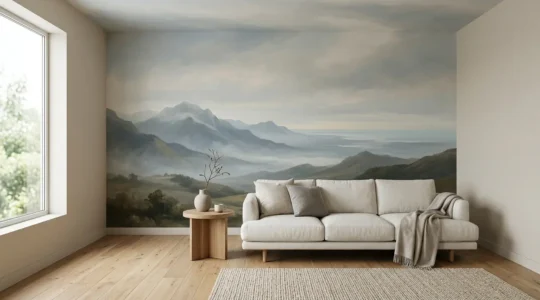
How to Use Interior Murals to Alter Depth Perception in Small Rooms?
In summary: Treat your wall as a high-quality canvas; proper preparation is essential for a convincing illusion. Hand-painted murals offer unparalleled texture and seamlessness that vinyl cannot replicate, crucial for high-end optical effects. Eliminate « color breaks » by wrapping murals around…
Lire la suite
Commissioning Residential Street Art: A Strategic Analysis of Its Impact on Property Value
Commissioning a residential mural is not an aesthetic choice but a calculated real estate investment that transforms a wall into a socio-economic asset with measurable impacts on value and security. A well-executed mural functions as « territorial reinforcement, » actively deterring vandalism…
Lire la suite
Why Does Hiring an Interior Designer Save Money on Mistakes in the Long Run?
The biggest misconception is viewing an interior designer’s fee as a luxury expense; it’s a strategic investment that generates a direct ROI by eliminating costly project liabilities. Leveraging exclusive trade discounts can offset a significant portion of the design fees….
Lire la suite
How to Refresh Home Decor Seasonally Without Storing Boxes of Stuff?
Loving seasonal decor in a tiny apartment feels impossible. The solution isn’t finding more storage—it’s adopting a smarter, clutter-free system. Build a « Capsule Decor » collection of versatile, high-impact items that work year-round. Prioritize textiles (cushion covers, throws, art) for dramatic…
Lire la suite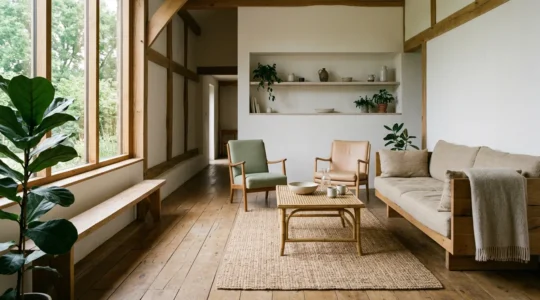
An Auditor’s Guide: How to Genuinely Reduce Your Carbon Footprint with Decor Materials
The most impactful sustainable choice is rarely the one advertised on the label; it’s the one with the shortest, most transparent, and least toxic journey to your home. Vague claims like « eco-friendly » are red flags. True sustainability is verified by…
Lire la suite
How to Manage a Decorator to Stay Under Budget on a $50k Renovation?
Staying under a $50k budget isn’t about finding a cheap decorator; it’s about implementing a rigid procedural framework that removes emotion and ambiguity from the project. A detailed, contractual brief is your primary defense against costly revisions and misunderstandings. Scope…
Lire la suite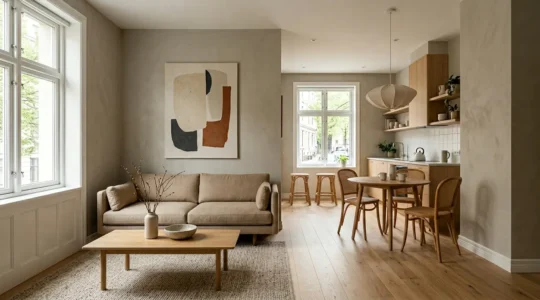
Beyond Décor: An Architect’s Guide to Creating Flow in Small Spaces
In summary: True spatial flow comes from architectural strategy, not just decorative tricks like mirrors or light paint. Analyze structural boundaries first; identifying non-load-bearing walls is a critical first step for any major layout change. Master « furniture physics » by pulling…
Lire la suite