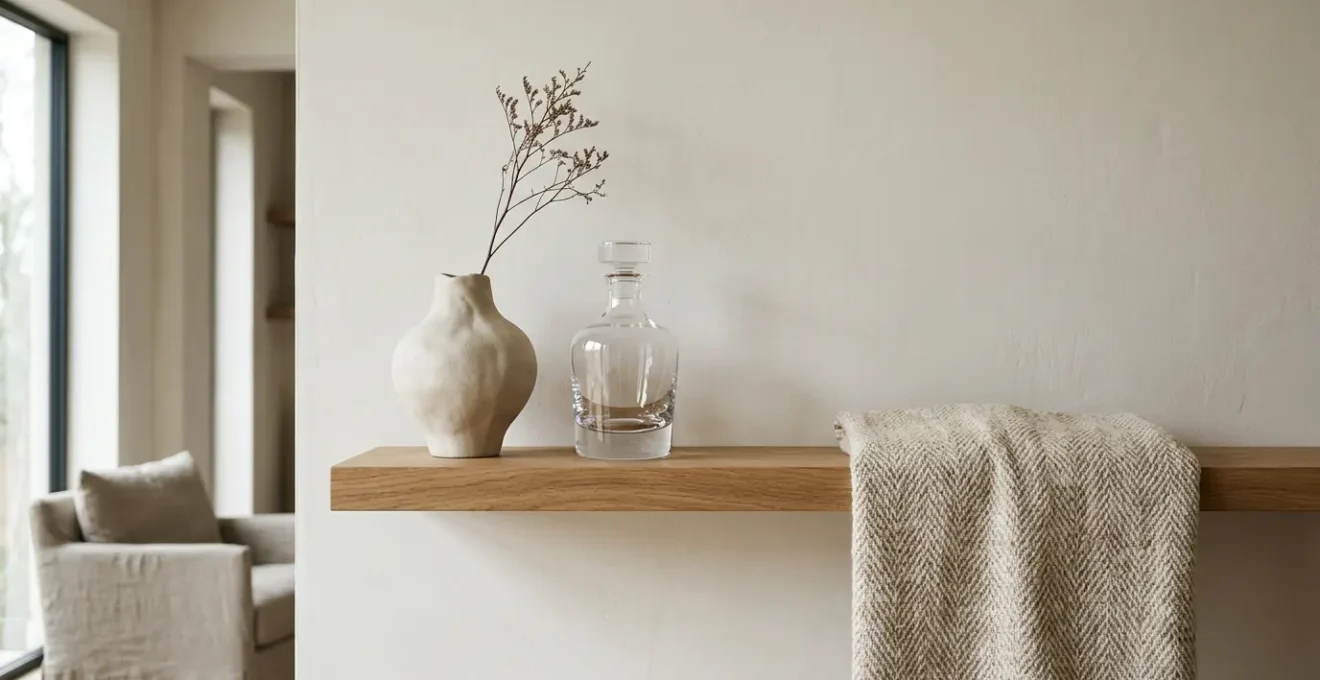
Successful homeware investment transcends aesthetics; it requires treating each acquisition as a strategic addition to a tangible asset portfolio.
- Value is driven by a combination of brand equity, verifiable scarcity, and cultural relevance, not just by designer name recognition.
- The most resilient assets often originate from fashion houses leveraging their brand power or from mediums like ceramics with proven market growth.
Recommendation: Shift your mindset from collector to asset manager. Prioritize pieces with strong provenance and a clear narrative, and actively manage their condition and market timing to secure returns.
For the discerning collector, the line between a beautiful object and a valuable asset is becoming increasingly defined. While the traditional approach to decorating involves acquiring pieces for their immediate aesthetic appeal, a more sophisticated strategy is emerging—one that treats limited edition homeware not as mere decoration, but as a tangible asset class. Many collectors focus on simple rules like “buy what you love” or “look for famous names,” but this often leads to a collection that is emotionally rich but financially stagnant. The real challenge, and opportunity, lies in building a portfolio of objects that not only enriches your living space but also appreciates in value over time.
This approach requires a paradigm shift. It means looking beyond the surface and analyzing the market forces at play, much like a hedge fund manager analyzes stocks. The principles of scarcity, brand equity, and market timing are just as relevant to a Hermès Avalon blanket or a limited-run ceramic as they are to a luxury watch or a vintage car. The key is to develop the foresight to distinguish fleeting trends from future classics and to understand the subtle catalysts that can turn a decorative piece into a high-yield investment. This isn’t about removing passion from the process; it’s about channeling that passion with financial acumen.
This guide moves beyond generic advice to provide an asset manager’s framework for building a high-performance homeware portfolio. We will dissect the markers of a future classic, analyze the risks inherent in the secondary market, and provide a methodology for predicting market shifts. By applying these principles, you can curate a collection that is both a source of personal joy and a robust, appreciating asset.
To navigate this complex market, this article breaks down the essential strategies for identifying, acquiring, and managing investment-grade homeware. Explore the detailed analysis in the sections below to master each facet of this lucrative pursuit.
Summary: A Strategic Guide to Building a High-Value Decor Portfolio
- How to Identify Which Brand Collaborations Will Become Classics?
- The Counterfeit Risk: Spotting Fakes in the Second-Hand Decor Market
- Ceramics vs Textiles: Which Medium Holds Resale Value Better?
- Why Do Fashion House Home Lines Outperform Generic Luxury?
- How to Display Investment Pieces Without UV Damage?
- The “Trend Trap” That Devalues Collections Within 5 Years
- When to Sell Designer Furniture to Maximize Resale Profit?
- How to Predict Decor Market Shifts to Avoid Buying Depreciating Assets?
How to Identify Which Brand Collaborations Will Become Classics?
Identifying a future classic within the saturated market of brand collaborations requires looking beyond the hype. The most successful partnerships are not merely a fusion of logos but a genuine synthesis of creative DNA. A key indicator is when a collaboration creates a new market or conversation, rather than just catering to an existing one. Look for partnerships that bridge disparate worlds in an unexpected yet authentic way, as these often generate significant cultural cachet that translates into long-term value. For example, when a heritage luxury house partners with a disruptive contemporary artist, the resulting pieces carry a narrative that is more potent than the sum of its parts.
The concept of “brand equity arbitrage” is critical here. Just as luxury handbags have demonstrated significant appreciation, the same brand power can be transferred to homeware. True investment-grade collaborations exhibit true scarcity and creative value, not just manufactured rarity. An item’s narrative and its place within the broader story of both brands are paramount. As the Dior x Air Jordan 1 collaboration proved, a strategic partnership can elevate a brand’s resale appeal by tapping into a new collector base, creating pieces that function as cultural artifacts with appreciating financial worth. The most astute investors look for collaborations where each brand’s contribution is distinct and pushes boundaries, creating an object that is undeniably unique and difficult to replicate.
As Good Times Luxury Co. notes in their analysis of watch collaborations, the principle holds true across all luxury assets. They state: “Only those with real creative value and true scarcity tend to hold strong resale prices.” This underscores the need to evaluate the depth of the creative partnership. Is it a lazy logo-slap or a deeply integrated design dialogue? The answer often determines whether a piece will be forgotten in a season or coveted for decades.
The Counterfeit Risk: Spotting Fakes in the Second-Hand Decor Market
The secondary market for luxury homeware offers immense opportunity, but it is fraught with the pervasive risk of counterfeits. This is not a niche problem; fakes are a significant global issue. An OECD analysis estimated that counterfeit goods accounted for 2.5% of global trade in 2019, a market valued at hundreds of billions. For the homeware asset manager, this means that due diligence is not optional—it is the cornerstone of protecting your capital. A convincing fake can look the part, but it carries zero intrinsic or resale value, making it a total loss for an investor.
Authenticity verification must be a non-negotiable step in your acquisition process. This goes far beyond a cursory visual inspection. You must become an expert in the tell-tale signs of a genuine article: the specific weight of the material, the precision of the stitching, the quality of the hardware, and the exact placement and font of logos and signatures. Counterfeiters often succeed with the overall look but fail on the micro-details. Therefore, developing a forensic level of attention to craftsmanship, materials, and markings is your first line of defense. Never rely on the seller’s word alone; always demand and scrutinize the provenance.
A structured approach to authentication is essential. This involves a multi-point inspection process that assesses everything from the object’s origin to its paperwork. For high-value acquisitions, leveraging third-party professional authentication services is a prudent and often necessary investment. These services provide an objective, expert opinion that can secure your purchase and provide the certification needed to guarantee its value upon future resale.
Action Plan: Verifying Designer Homeware Authenticity
- Materials and Craftsmanship: Examine the quality of all components. Authentic pieces feature superior finishing and high-grade materials, whereas fakes often reveal cheaper substitutes and sloppy production upon close inspection.
- Manufacturing Origin: Verify the country of production. Legitimate designer furniture is produced by licensed manufacturers, often in specific geographic locations known for their craft.
- Labels and Signatures: Inspect all markings. Look for authentic manufacturer labels, designer signatures, and other distinctive marks. Counterfeiters often struggle to replicate these with perfect accuracy.
- Provenance Documentation: Request a complete history. Demand original receipts, certificates of authenticity, gallery paperwork, and a clear record of previous ownership to establish a verifiable chain of custody.
- Third-Party Authentication: For significant investments, engage professional authenticators. Services using AI-powered verification can offer accuracy rates over 99%, providing critical peace of mind.
Ceramics vs Textiles: Which Medium Holds Resale Value Better?
When allocating capital within a homeware portfolio, understanding the inherent investment characteristics of different mediums is crucial. Ceramics and textiles, two staples of decorative arts, offer vastly different risk and reward profiles. Ceramics often demonstrate superior long-term value retention, a concept we can term “material alpha.” This is due to their durability, historical precedent as a collectible, and a clearer lineage of established makers. A well-preserved ceramic piece by a recognized artist or studio is a tangible, singular object that cannot be easily replicated. Its condition is relatively stable if cared for, whereas textiles are inherently more fragile.
The market data supports this thesis. The global art ceramics market is projected to grow from $5.2 billion to $8.7 billion by 2032, demonstrating strong and consistent investor interest. This growth is fueled by a burgeoning appreciation for studio pottery and limited-edition ceramic art as a serious investment class. As noted by a SmartAsset investment analysis, “Ceramics and porcelain pieces, particularly those from renowned makers like Meissen, Wedgwood and Royal Doulton, are considered excellent antique investments.” This historical performance provides a solid foundation for future appreciation, making ceramics a more conservative but reliable pillar in a decor portfolio.
Conversely, textiles, such as designer throws or limited-edition tapestries, present a higher-risk, higher-reward scenario. Their value is often more closely tied to fashion-driven trends and brand collaborations, which can lead to rapid appreciation but also equally rapid depreciation. They are highly susceptible to damage from light, pests, and wear, making provenance and pristine condition absolutely paramount. While a rare Hermès Avalon blanket can command impressive prices on the secondary market, its value is far more volatile and dependent on maintaining its “as new” state compared to a sculptural ceramic piece from the same era.
Why Do Fashion House Home Lines Outperform Generic Luxury?
The outperformance of fashion house home lines like those from Hermès, Dior, or Gucci over generic luxury brands is not accidental; it is a direct result of brand equity arbitrage. These fashion powerhouses have spent decades building an aura of desirability, craftsmanship, and exclusivity around their core products. When they extend this into homeware, they are not just selling a plate or a cushion; they are selling a tangible piece of that powerful brand universe. A survey by BoF Insights confirmed that “Dior, Chanel, Gucci, Hermès and Ralph Lauren were the fashion brands from which affluent consumers were most interested in buying homeware.” This pre-existing desire gives their home collections an immediate and significant advantage.
This brand power acts as a powerful value accelerant. A generic luxury brand might produce a high-quality porcelain vase, but an Hermès vase carries with it the full weight of the brand’s heritage, from its equestrian roots to the legend of the Birkin bag. This narrative layer adds a dimension of value that is nearly impossible for a pure-play homeware brand to replicate. The Hermès homeware line is a prime case study. Its pieces are known to retain, and often increase, in value on the secondary market due to the combination of impeccable handcrafted design, limited production, and the halo effect of the parent brand. The consumer is buying into a lifestyle and a legacy, making the object more than just a decorative item—it becomes an investment-grade asset.
Furthermore, the global design sector is a massive and growing field, with one Euromonitor International report suggesting the home design sector represents a $643 billion market. Fashion houses are strategically positioned to capture the highest-value segment of this market. They leverage their existing high-net-worth client base, global retail footprint, and marketing prowess to launch and sustain their home lines with a momentum that new or niche brands cannot match. For an investor, this means that pieces from established fashion houses carry a lower risk profile and a higher probability of value retention and appreciation.
How to Display Investment Pieces Without UV Damage?
Acquiring a valuable piece of homeware is only the first step; preserving its condition is paramount to protecting its investment value. The single most corrosive environmental factor is ultraviolet (UV) light, an invisible threat that causes irreversible fading, discoloration, and material degradation. Proper display is therefore not a matter of aesthetics, but of active asset management. Simply placing a prized textile or a pigmented object in a sunny room is equivalent to leaving a classic car out in the rain. A proactive strategy for light damage mitigation is non-negotiable.
A tiered approach to UV protection allows you to tailor your strategy to the value and sensitivity of each piece in your portfolio. At a basic level, applying high-quality UV-filtering films to windows is a cost-effective measure that can block up to 99% of harmful rays without sacrificing natural light. For more significant assets, a “better” approach involves museum-grade acrylic vitrines or display cases. These not only provide a physical barrier against dust and accidents but also incorporate UV filtration directly into the material, creating a controlled micro-environment for the object. This is standard practice in galleries and museums for a reason.
The gold standard, or “best” level of protection, involves a complete re-thinking of your lighting environment. This means installing specialized, low-UV LED lighting systems, the same used for conserving priceless artworks. These systems allow you to control both the intensity (lux levels) and the color temperature of the light, ensuring that your pieces are beautifully illuminated without being damaged. For highly sensitive items like textiles or prints, it’s also crucial to monitor total light exposure over time—a concept known as “lux hours”—and to implement a system of strategic rotation, alternating between periods of display and rest in dark, climate-controlled storage to preserve their vibrancy and lifespan.
The “Trend Trap” That Devalues Collections Within 5 Years
One of the most significant risks for a homeware investor is the “Trend Trap”—the allure of acquiring pieces that are at the peak of their popularity. While it may seem logical to buy what is currently in high demand, this is often a recipe for rapid depreciation. By the time a trend is widely recognized and covered in mainstream design magazines, sophisticated investors and market makers have already moved on. As luxury watch collector Khoo astutely observed, “If you’re buying brands and pieces that everyone knows, you’re likely already too late.” This principle applies directly to homeware; buying at the peak of the hype cycle means you are likely buying at the top of the market, with limited upside and significant downside risk.
The data reveals that most consumers are not thinking like investors. A study by Vestiaire Collective found that a surprisingly low 5% of luxury consumers consider resale value before making a purchase. This creates a market dynamic where prices for trendy items are driven by short-term desire, not long-term value. The savvy asset manager must learn to distinguish between a cyclical trend and a secular shift. A trend is a temporary spike in interest, often driven by influencers or a specific cultural moment, like the sudden demand for small monogrammed pochette bags. A secular shift, on the other hand, represents a more fundamental change in taste or aesthetics that has lasting power.
The key to avoiding the Trend Trap is to cultivate foresight and focus on the underlying drivers of value: craftsmanship, rarity, and brand heritage. Limited edition pieces, discontinued styles, and significant collaborations often retain their value precisely because their scarcity insulates them from the whims of fashion. Once these items are no longer available at retail, their value is determined by a much smaller and more stable secondary market of dedicated collectors. The goal is to identify pieces that have a timeless quality and a compelling narrative that will endure long after the current trend has faded.
When to Sell Designer Furniture to Maximize Resale Profit?
Timing the sale of a designer homeware asset is as crucial as the initial purchase decision. The goal is to liquidate the asset at the peak of its value curve, but identifying that peak requires a keen understanding of market cycles and cultural catalysts. As luxury resale expert Bailey has noted, “Much like real estate, the market for handbags is cyclical, and collectors can benefit from being patient.” This analogy is perfectly applicable to designer furniture. The market for certain designers, periods, or styles ebbs and flows, and selling into a rising tide of demand is the key to maximizing returns.
One of the most significant catalysts for a price surge is a major cultural event. This could be a retrospective exhibition of a designer’s work at a major museum, the feature of a particular style in a critically acclaimed film or television series, or the death of a renowned designer, which immediately caps the supply of their work and often sparks renewed interest. For example, a major Eames exhibition can cause a spike in the secondary market value of their iconic lounge chairs. The astute investor monitors the cultural landscape for these potential triggers and prepares to act when they occur. Holding onto a piece and waiting for such a moment can result in a substantially higher sale price than selling into a flat market.
It’s also important to consider the asset’s own lifecycle. Some pieces appreciate steadily over time, while others may reach a peak and then plateau. The global luxury furniture market has shown consistent growth, but individual pieces within it have their own trajectories. Selling a piece that is in pristine condition and has impeccable provenance during a period of peak interest for its specific style is the ideal scenario. This requires not only patience but also continuous market research to stay ahead of the curve and recognize the optimal window to sell.
Key Takeaways
- Adopt an Asset Manager’s Mindset: Shift from decorator to investor. Evaluate every potential acquisition based on its brand equity, scarcity, and potential for appreciation.
- Prioritize Provenance and Preservation: An asset’s value is intrinsically linked to its authenticity and condition. Rigorous authentication and museum-quality preservation (especially UV protection) are non-negotiable.
- Identify Catalysts, Avoid Traps: True value is created by understanding market cycles. Learn to spot cultural catalysts that boost value and avoid the “trend trap” of buying at the peak of mainstream hype.
How to Predict Decor Market Shifts to Avoid Buying Depreciating Assets?
To operate at the highest level of homeware investment, one must evolve from a participant in the market to a predictor of its movements. Avoiding depreciating assets requires developing an analytical framework to identify future trends before they become mainstream. The global luxury home decor sector is a vast and growing space, with market analysis showing it was valued at $144.35 billion in 2024 and projected to grow. Within this macro-trend, micro-trends and shifts in taste create opportunities for alpha and risks of loss. The core principle, as Finance Strategists highlight, is that “Rarity is a key factor in determining the value of a collectible.” Predicting what will become rare and desired is the ultimate goal.
One of the most effective predictive techniques is to monitor upstream creative disciplines. Innovations in materials, color palettes, and forms often emerge first in haute couture, concept design, or the art world before trickling down to the homeware market 18-36 months later. Paying close attention to graduate shows at leading design academies like a Central Saint Martins or a Design Academy Eindhoven can provide early signals of the aesthetics and materials that will shape the next generation. These are the incubators of future classics. Similarly, observing the materials and forms being explored by leading architects and contemporary artists can offer clues about the next wave of collectible design.
This forward-looking analysis allows you to acquire pieces from emerging designers or in nascent styles before they are widely recognized and their prices have inflated. It is a strategy of investing in the source of the trend, not the trend itself. This requires a commitment to research, visiting galleries, attending design fairs, and reading specialist publications. By building this deep well of market intelligence, you can develop a thesis on where the market is headed and position your portfolio accordingly, ensuring you are buying assets on an upward trajectory rather than those at risk of depreciation.
By integrating these financial and strategic principles into your collection philosophy, you transform your passion for design into a sophisticated and rewarding investment vehicle. The next logical step is to audit your existing collection through this new lens, identifying which pieces are core assets and which may be candidates for strategic divestment to fund future acquisitions.